Painted Easter Egg in Watercolor – A Designer’s Take
First Impressions: Softness Meets Seasonal Charm
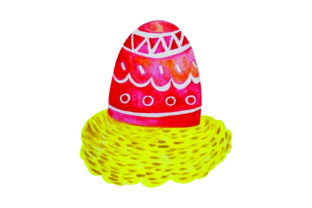
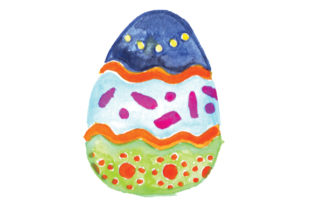
When I first opened the Painted Easter Egg in Watercolor file, the immediate feeling was one of gentle springtime ease. This is not a harsh, cartoonish Easter graphic. It leans into a painterly, hand-brushed aesthetic that feels closer to a fine art print than a standard machine embroidery design. The watercolor texture gives the egg a luminous, layered look, with soft color bleeds and delicate edges that suggest real pigment on paper. For a designer who has tested hundreds of seasonal motifs, this one stands out because it captures a mood rather than just a shape.
The egg silhouette is classic and instantly recognizable, but the watercolor treatment adds a dreamy, sophisticated personality. It feels less like a children’s holiday decoration and more like something you would find in a high-end boutique window or a curated handmade shop. That nuance matters a lot when you are choosing designs for products that need to appeal to adults buying gifts, home décor, or wearable art. The Painted Easter Egg in Watercolor brings a quiet, artistic confidence that many typical Easter designs lack.
The Watercolor Effect in Stitch Form
Translating a watercolor look into embroidery is always a delicate balance. Real watercolor relies on translucency, irregular edges, and subtle gradients. In stitch form, those qualities require a clever mix of fill stitch density, color blending, and strategic underlay. The design seems to handle this translation thoughtfully. The soft transitions between hues suggest that the digitizer paid close attention to how thread colors interact. Instead of harsh color breaks, the egg appears to flow from one shade to the next, which is exactly what you want when you are trying to replicate a painterly effect.
I would recommend testing this design on a mid-weight cotton or linen first. The watercolor effect can lose its charm if the fabric is too textured or too thin. A tight, smooth weave helps the blended stitches read as soft washes rather than speckled noise. The stitch density appears balanced, not overly heavy, which is good news for wearables. A dense fill on a lightweight garment can cause puckering or stiffness, and that would ruin the airy feel of the original watercolor concept.
Choosing the Right Project for This Design
In my studio, I mentally slot every new design into a project category before I even hoop the fabric. The Painted Easter Egg in Watercolor naturally belongs on items that benefit from a soft, elegant seasonal touch. Think linen tea towels, natural cotton pillow covers, unbleached tote bags, and lightweight sweatshirts. It would also work beautifully on a baby onesie or a nursery blanket, where the gentle color palette feels safe and soothing.
For custom apparel like a women’s spring cardigan or a relaxed-fit t-shirt, this design could become a subtle focal point. It does not scream for attention. Instead, it invites a closer look, which is a valuable trait in handmade product presentation. Customers who appreciate understated design often choose items that feel personal and artistic, and this egg delivers exactly that.
A Real-World Scenario: The Boutique Tote Bag
Let me walk you through a practical scenario I kept imagining while reviewing this file. A small shop owner is preparing for a spring market. She wants a line of embroidered tote bags that feel fresh, seasonal, and giftable. She loads the Painted Easter Egg in Watercolor onto her machine, hoops a natural canvas tote, and chooses a soft pastel thread palette with a hint of lavender and mint. The design stitches out cleanly, and the watercolor effect looks like a hand-painted original. She pairs the tote with a coordinating ribbon and a small card explaining the embroidery process.
At the market, customers pick up the tote, run their fingers over the stitching, and comment on how unique it looks. The egg does not feel mass-produced. It feels like a small piece of art. That is the power of a well-chosen embroidery design. It transforms a blank tote into a personalized gift that someone would be proud to give or keep. The soft watercolor style elevates the perceived value of the entire product.
Fabric and Hoop Considerations
When you work with a design that has soft edges and blended color areas, fabric choice becomes critical. I would avoid highly textured fabrics like terry cloth or heavy slub linen for this design. The watercolor effect needs a smooth surface to read clearly. A medium-weight cotton, a high-quality quilting cotton, or a soft polyester-cotton blend would all be excellent choices. If you are stitching on a sweatshirt or fleece, use a topper to prevent the stitches from sinking into the pile.
Hoop size is another practical checkpoint. The design appears to fit comfortably within a standard medium hoop, but always verify the exact dimensions before stitching. I have made the mistake of assuming a design would fit a 4×4 hoop, only to find it was slightly too large and needed a 5×7. That kind of oversight can derail a production timeline, especially during a busy holiday season. Check the dimensions, test on scrap fabric, and keep a notebook of which hoop sizes work for each design in your library.
Where to Use It, and Where to Be Cautious
The Painted Easter Egg in Watercolor is versatile, but it is not a one-size-fits-all solution. It shines on flat or gently curved surfaces. A tote bag, a pillow cover, an apron bib, or a tea towel all provide a stable, flat stitching area. Caps and hats are trickier. The curved surface can distort the egg shape, and the watercolor edges may lose their intended softness when stretched over a cap frame. If you do attempt a cap, use a lower profile and test the design placement carefully.
Dark fabrics present another consideration. The watercolor effect relies on subtle color transitions, and some of the lighter pastel threads may look washed out or translucent on a black or navy background. Always test a small color swatch on dark fabric before committing to a full stitch-out. A white or light gray underlay might help, but the design may need slight color adjustments to maintain its painterly charm on darker grounds.
Thin fabrics like lightweight jersey or silk can be problematic if the stitch density is too high. The fabric may pucker or distort. Use a quality cutaway stabilizer and consider a wash-away topper for added support. For baby items, ensure the back of the embroidery feels soft against delicate skin. A smooth backing reduces irritation and adds to the overall quality of the finished product.
How It Elevates Product Value and Customer Trust
One of the underrated aspects of a good design is how it affects buyer perception. When a customer sees a beautifully stitched, artistic motif on a product, they immediately assign higher value to it. The Painted Easter Egg in Watercolor has that effect. It looks like something a skilled artist created, not a generic clip-art conversion. That perception builds trust. Customers are more likely to return to your shop, recommend your products, and pay a premium for items that feel special.
For Etsy sellers and small shop owners, this design can become a signature seasonal piece. It photographs well, looks professional in listing images, and appeals to buyers who are tired of mass-produced holiday décor. The watercolor style also pairs beautifully with minimalist branding, which is a strong trend in handmade and boutique markets. A cohesive product line that uses this design across multiple items, like a tote bag, a tea towel, and a pillow cover, creates a recognizable brand identity that customers remember.
Practical Designer Notes Before You Stitch
Over the years, I have developed a mental checklist for every new embroidery design I test. Here are the key points I would run through for the Painted Easter Egg in Watercolor:
- Test on scrap fabric first. Never stitch directly onto a customer piece or a finished product without a trial run. The thread colors may look different on screen than they do in thread form.
- Check thread color contrast. The watercolor effect depends on subtle shifts. If your thread choices are too similar, the design may look flat. If they are too stark, the softness disappears.
- Review stitch density. Watch for any areas that feel too thick or too sparse. A dense area can make fabric stiff, while a sparse area can show the backing fabric through.
- Confirm hoop size. Measure the design boundaries and compare them to your available hoops. A design that barely fits leaves no room for error in placement.
- Inspect small details. Zoom in on the egg’s edges and any interior color transitions. Look for potential trims, jumps, or areas where the machine might struggle.
- Test in black and white mockups. Converting the design preview to grayscale helps you evaluate value contrast without the distraction of color. This is a useful trick for predicting how the design will read from a distance.
- Compare light and dark fabric backgrounds. Stitch a small sample on both a light and a dark fabric. The watercolor effect may need a light base to truly glow.
- Use proper stabilizer. Match the stabilizer to the fabric and the project end use. A tote bag needs a sturdy cutaway, while a tea towel may work well with a tear-away.
Licensing and File Format Clarity
The product description states that you will receive the design in SVG, Transparent PNG, EPS, and DXF formats. This is a solid set of file types for crafters who work across multiple platforms. The SVG and EPS formats are ideal for cutting machines, printable mockups, and design asset customization. The Transparent PNG is useful for digital product previews, listing images, and marketing materials. The DXF format opens up compatibility with certain software ecosystems that rely on that standard.
However, one thing the description does not specify is whether these files are intended for embroidery digitizing or if they are primarily vector and raster formats for other crafts. As an embroidery reviewer, I would advise you to check whether the design is already digitized for machine embroidery or if you need to convert it yourself. If you are using the SVG or EPS file to create an embroidery design, you will need to run it through digitizing software and adjust the stitch types, density, and underlay to suit your machine and fabric. If the listing includes a ready-to-stitch embroidery file format like PES, DST, or EXP, that detail is not mentioned here, so verify before purchasing.
Also, confirm the commercial licensing terms. Many designers allow the use of their designs on finished products sold in small shops, but some restrict digital resale or mass production. Always read the license agreement. If you plan to use the Painted Easter Egg in Watercolor on products you sell at craft fairs, in your Etsy shop, or through wholesale orders, make sure the license covers commercial use. Transparency in licensing protects your craft business and keeps your creative work legally sound.
Where This Design Fits in a Seasonal Product Line
Easter is a concentrated selling season, but the soft watercolor style of this egg extends its usefulness beyond the holiday itself. Spring-themed products can sell from late February through May. A design that feels more like botanical art than a novelty Easter item has a longer shelf life. I can see this motif working on a nursery wall hanging, a spring wedding gift, or a Mother’s Day keepsake. The egg shape subtly references the season without being overly literal, which is a smart balance for commercial embroidery.
For a small shop product lineup, you could pair this design with other watercolor floral or botanical motifs. A cohesive collection of soft, painterly designs creates a strong brand aesthetic that customers recognize and trust. It also makes your product photography look harmonious, which improves your online store’s overall presentation.
Final Thoughts from the Embroidery Room
After spending time with the Painted Easter Egg in Watercolor, I feel confident recommending it to fellow embroidery designers, crafters, and small business owners who value artistic quality and seasonal versatility. The design carries a refined, gentle energy that suits a wide range of products, from wearable art to home décor. It does not rely on bold outlines or heavy satin borders to make its point. Instead, it trusts the softness of the watercolor medium to communicate beauty.
That said, success with this design depends on smart project choices. Test it on smooth fabrics, use a light hand with stabilizer, and avoid overly textured or dark backgrounds unless you have done a thorough test stitch. Pay attention to the small details, and always respect the licensing terms. When you treat a design with this level of care, the finished product feels intentional, professional, and genuinely giftable. The Painted Easter Egg in Watercolor is more than a seasonal motif. It is a small, stitched piece of spring that can bring a quiet, artistic lift to your embroidery projects and your product line.