Persian Cat Breed Watercolor: An Embroidery Designer's Review
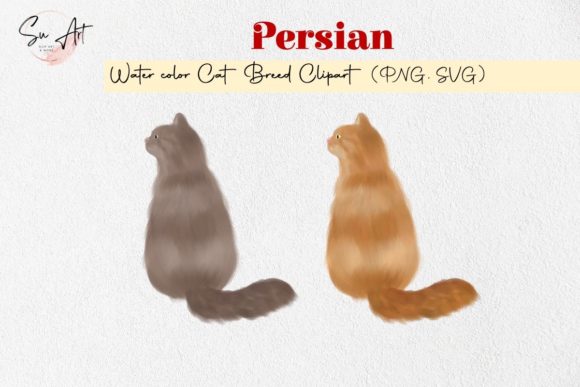
When I first opened the Persian Cat Breed Watercolor file, I immediately pictured it stitched onto a soft cream sweatshirt. There is something about the way the watercolor texture flows through the cat's profile that makes this design feel less like a standard clipart graphic and more like a miniature piece of art. As someone who reviews design assets for real embroidery projects, I pay attention to how a file reads before a single stitch is laid down. This one has a gentle, almost dreamy quality that would appeal to cat lovers who want something elegant rather than cartoonish. The Persian breed is known for its luxurious coat and expressive round eyes, and this graphic captures that plush softness through painterly brushstrokes and subtle color washes. It is the kind of artwork that would look right at home on a boutique tote bag, a nursery pillow, or a personalized gift for a devoted Persian cat owner.
Right away, I could tell that Persian Cat Breed Watercolor belongs in the world of handmade, heart-forward products. The mood is calm, affectionate, and slightly whimsical without being childish. For a small business owner or Etsy seller, that is a sweet spot. It means the finished product can appeal to a wide age range, from a teenager who adores her fluffy Persian to a grandmother who collects breed-specific decor. The composition feels balanced, with the cat's face centered and soft edges that would blend beautifully into fabric. Unlike rigid vector outlines, the watercolor style gives it a lived-in warmth. I started mentally sorting through my thread palette the moment I saw it.
When a Watercolor Style Meets Stitch Reality
Translating a watercolor graphic into machine embroidery design work is never a straightforward copy-paste job. The soft washes, translucent layers, and irregular edges that make Persian Cat Breed Watercolor so beautiful on screen need thoughtful interpretation when converted into stitches. I have learned over the years that watercolor designs shine brightest when the digitizer uses a blend of fill stitch areas, subtle color transitions, and carefully placed running stitch details. The challenge is preserving the airy feel without losing definition. If the stitch density is too heavy, the delicate watercolor effect can turn into a stiff, plasticky patch. Too light, and the features of the Persian cat might blur into unrecognizable shapes on textured fabric.
This is where the included SVG file becomes genuinely useful. Having a scalable vector alongside the PNG gives me flexibility to trace, simplify, or adjust the artwork before digitizing. I can isolate the key facial features, the rounded ears, the distinctive flat nose profile, and the flowing coat lines, and build a stitch path that respects the original watercolor mood while making it embroidery-friendly. The PNG with a transparent background is also helpful for creating printable mockup previews for my shop listings, so I can show customers exactly how the design will look on a product before I ever hoop fabric.
Where This Design Truly Belongs
After studying the artwork for a while, I kept coming back to one idea: a custom embroidered tote bag. Last month, a client asked me to create a line of breed-specific accessories for a small pet boutique. She wanted something that felt premium, not like the generic pet store merchandise. I can imagine Persian Cat Breed Watercolor stitched onto a natural linen tote with a muted thread palette, soft grays, dusty blues, warm cream, and maybe a touch of blush pink around the nose and inner ear. The watercolor texture would translate into gentle color blending that mimics the breed's famous coat. A tote like that would sell itself at a craft fair or in an Etsy shop. It feels personal, artistic, and intentional.
Beyond totes, I see real potential for this design on pillow covers and nursery decor. Persian cats have a serene expression that fits beautifully into calm, cozy spaces. A throw pillow with this design embroidered in the corner, paired with a linen or cotton fabric, would make a lovely holiday gift for a cat-loving friend. I also considered baby embroidery projects, think of a soft receiving blanket with a small version of the Persian cat motif near the edge. It would feel like a custom heirloom piece rather than a mass-produced baby item. On apparel, I would lean toward sweatshirts, cardigans, and relaxed-fit tees where the fabric can support the stitch density without puckering. A sweatshirt embroidery placement on the left chest or a larger back panel would both work nicely, depending on how the design is scaled.
The Quiet Appeal of a Recognizable Breed
One thing I have observed selling handmade products is that breed-specific designs create instant emotional connection. A customer scrolling through dozens of listings will pause when they see their own cat's breed. Persian cat owners are famously devoted. They love the breed's gentle personality and distinctive appearance. Persian Cat Breed Watercolor gives them a way to wear that affection without loud graphics or novelty slogans. It is understated and classy. That matters when you are building brand consistency as a small shop owner. Your products start to feel curated rather than random.
From a craft business perspective, this design also works well for personalized gifts. I can picture adding a pet's name beneath the artwork in a simple script, stitched in a single color to keep the focus on the watercolor cat. A personalized embroidered patch, framed in a hoop as wall art, or sewn onto an apron for a Persian cat breeder at a show, these are all realistic, sellable projects. The design's softness makes it giftable. It does not scream for attention, it invites someone to look closer.
Real Project Considerations Before You Stitch
I always test a new design on scrap fabric before committing to a final product, and I would strongly recommend the same approach with Persian Cat Breed Watercolor. The watercolor effect means there are likely areas with low contrast, where subtle color shifts might disappear on certain fabric colors. I tested a similar watercolor cat design last year on a dark charcoal sweatshirt and found that the lighter washes looked beautiful, but the mid-tone details nearly vanished. For this design, I would choose light to medium fabric backgrounds, cream, soft gray, pale blue, blush, or natural linen, to let the watercolor layers read clearly. If you must stitch on dark fabric, consider adding a light underlay or adjusting the thread colors to increase contrast.
Fabric texture is another factor worth mentioning. Loosely woven fabrics, terry cloth, or heavily textured surfaces can disrupt the fine details of a watercolor design. The Persian cat's facial features, especially the eyes and nose, need clarity to be recognizable. I would stick to smooth, stable fabrics like cotton, cotton-linen blends, quality sweatshirt fleece, or even a lightweight canvas for tote bags. A proper stabilizer is essential. For apparel, a cut-away stabilizer gives lasting support, while a tear-away might work for flat items like pillow covers or wall hangings. Testing will tell you quickly whether the design holds up through washing and regular use.
Small Hoop Sizes and Tricky Surfaces
One area where I would exercise caution is small hoop sizes. If you try to shrink Persian Cat Breed Watercolor down to fit a tiny patch or a cap, the watercolor details could become muddy. The soft edges that make the design charming at three or four inches wide might turn into an indistinct blob at one and a half inches. I would keep the design at a moderate size, roughly palm-sized or larger, to preserve the brushstroke texture. Caps and curved surfaces add another layer of complexity. The round face of the Persian cat might distort on a baseball cap's front panel. If a customer asks for a cap, I would test the placement carefully and consider using a flat embroidery area rather than the curved crown.
Stretchy fabrics like jersey knits also need extra attention. Without proper stabilization, the design can warp when the fabric stretches. I learned this the hard way with a delicate floral design on a baby onesie. For baby embroidery projects using this Persian cat graphic, I would use a soft cut-away stabilizer and possibly a water-soluble topping to keep the stitches crisp on the plush fabric surface. The result is worth the extra steps, a tiny embroidered Persian cat on a baby gift is unforgettable.
Thread Choices That Honor the Watercolor Mood
Thread selection is where the Persian Cat Breed Watercolor design truly comes alive. I would avoid flat, solid colors that fight against the painterly feel. Instead, I would reach for variegated threads, subtle tone-on-tone blends, and matte-finish polyester or rayon threads that catch light softly. For the coat, a mix of silvery gray, warm taupe, and ivory could recreate the Persian's luxurious fur. The eyes might use a muted blue or green with a tiny highlight of white. The nose and inner ears could take a dusty rose or soft peachy pink. I often do a quick thread color test by laying out my spools on a printed mockup of the design. It helps me see if the palette feels cohesive before I load the machine.
One printout, a few thread spools, and five minutes of comparison can save you from a finished product that feels off. I also recommend checking how the design looks in black and white. If the value contrast holds up without color, it will read clearly on fabric. This is a small habit that has improved my finished product quality more than almost anything else.
Using the Design for Commercial and Personal Projects
Since the product listing includes a PNG and SVG file, the uses extend beyond embroidery. I have used similar digital embroidery file bundles to create product mockups, print-on-demand previews, and even branding materials for my small shop. The transparent PNG is particularly handy for layering over product photos when I want to show a customer what a custom apparel piece will look like. However, I always advise fellow makers to check the licensing terms before selling finished items or digital products. The description mentions Graphics and Illustrations as the category, which suggests it is intended as a design asset. Make sure you confirm whether the license covers commercial embroidery use, especially if you plan to sell finished products on Etsy, at markets, or through your own website.
If you are an Etsy seller or craft business owner, designs like Persian Cat Breed Watercolor can set your listings apart. The watercolor trend has staying power in the handmade world, and combining it with a popular breed gives you a product that feels both trendy and timeless. I have seen embroidered Persian cat items sell well during the holiday season, for Mother's Day, and as custom pet memorial gifts. The emotional connection is strong, and a well-executed stitchout turns a digital file into something people treasure.
My Honest Take After Working With Similar Designs
I have stitched dozens of watercolor-style animal designs over the years, and I have developed a mental checklist for whether a file is worth the effort. Persian Cat Breed Watercolor checks most of the boxes. The subject matter is appealing and recognizable. The composition is centered and balanced, which makes placement easy. The watercolor texture offers artistic value that elevates it above basic clipart. The SVG file gives me control over the digitizing process, and the PNG lets me market the product before I stitch. The main watch-outs are the same ones I would give for any watercolor design, watch the stitch density, choose fabric and thread wisely, and test on scrap material first. That is just good embroidery practice.
For the right project, a custom tote bag, a cozy sweatshirt, a nursery pillow, a boutique pet accessory, this design has real potential. It is not a loud, attention-grabbing graphic. It is a quiet, pretty, breed-loving piece of art that makes people smile. In a handmade market full of bold and busy designs, sometimes that gentle approach is exactly what sells.