Muffin in Watercolor Style for Crafts & Food Amp
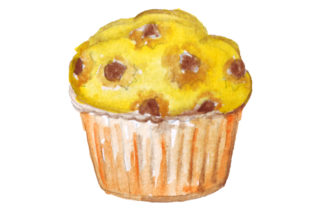
When I first opened the Muffin in Watercolor Style file set, I immediately thought of a bakery-themed digital download collection I have been quietly building for a late-summer shop update. The asset arrived as promised: SVG file, transparent PNG, EPS, and DXF. Right away, the soft washes and gentle pigment bleed felt more editorial than generic. This is not a flat, cartoon muffin. The watercolor rendering gives it a handmade, slightly imperfect charm that reads well on screen and, after a few test prints, translated beautifully to paper and fabric alike.
For anyone selling in the Food Amp and Crafts space, the visual personality here leans warm, inviting, and versatile. It could sit comfortably inside a rustic café menu template, a set of recipe cards, a children's birthday invitation, or a cozy kitchen printable. The mood is gentle rather than loud, which means it layers well with other design elements without competing for attention. That is a practical advantage when you want a graphic design asset that supports a product story rather than shouting over it.
First Look at the File Set and Quality
After unzipping the folder, I inspected each format with the usual checklist I use before committing any digital product to a live listing. The transparent PNG opened at a clean 300 DPI with smooth edges and no noticeable halo around the illustrated muffin. The watercolor texture was preserved, not flattened into a muddy digital blob. That matters enormously when you scale the graphic up for a printable design like wall art or down for a sticker design sheet.
The SVG file loaded into Cricut Design Space without errors. Cut paths were logical and not overly complex. I did notice one small area near the muffin base where the watercolor texture created a slightly fragmented edge, but it cleaned up with minimal node editing. For a Cricut project like a tote bag heat-transfer or a kitchen-themed decal, the cut preview looked promising. The DXF variant opened in Silhouette Studio, and the EPS file dropped into Adobe Illustrator with all layers intact. If you are bundling files for a creative marketplace like Creative Fabrica or Etsy, having this multi-format lineup reduces customer complaints and support requests, and that alone adds value to your commercial design offering.
Where This Muffin Illustration Fits a Product Lineup
In my test scenario, I imagined a small business branding suite for a home baker. The watercolor muffin could anchor a logo accent, decorate a thank-you card, or sit on a product label. But I also tested it against more common print-on-demand applications. On a mug mockup, the soft colors held their warmth. On a cream tote bag, the illustration looked intentional and hand-painted. On a toddler t-shirt, paired with a simple serif quote, it felt like a boutique children's brand.
For Etsy product sellers working in the birthday and celebration niche, this muffin graphic slides into invitation templates, party favour tags, cupcake topper designs, and even simple banner letters. Because the watercolor style is inherently forgiving, small alignment imperfections in a Canva template do not look sloppy; they look artistic. That is a subtle but real selling point when you are designing for customers who may not have an eye for precision.
Testing the Asset Across Common Seller Platforms
I ran a quick mockup across three different product types to see how the muffin performed in a typical marketplace preview. On a product mockup for a kitchen print, the asset looked professional and gallery-worthy when framed inside a clean layout with generous white space. As a thumbnail for a digital download listing, the watercolor texture caught the light differently than a flat vector, creating a subtle perceived premium effect. On a social media graphics template, the muffin added warmth without overwhelming the text overlay. These are small wins, but they compound when you are trying to build visual hierarchy across a product collection.
I also tested the PNG on a dark background, which is something I recommend every seller do before finalising a listing. Watercolor art can lose definition on dark surfaces. In this case, the muffin held up reasonably well on charcoal, though the edges softened more than I would like for a crisp product preview. On a pure black background, the transparent areas around the illustration became a little obvious. If you are designing t-shirt design mockups for dark garments, I would consider adding a subtle white outline or a soft halo behind the graphic to maintain clarity.
Practical Uses That Make Sense for a Commercial Seller
Over the years, I have learned that a single illustration asset earns its place in my toolkit when it can stretch across at least five product categories without feeling forced. Here is where the Muffin in Watercolor Style makes practical sense for a design bundle or standalone product listing:
- Printable wall art for kitchen, bakery, or café décor
- Planner stickers and journaling elements for food-themed spreads
- Greeting cards and invitation templates with a soft, handmade feel
- Sublimation designs for mugs, aprons, and tea towels
- Scrapbooking kits and digital paper packs
- Canva templates for bloggers and content creators
- Packaging design accents for small-batch food businesses
In the Food Amp niche specifically, the illustration style leans toward the artisanal and nostalgic. That makes it a smart fit for branding projects where the client wants to communicate slow-made, from-scratch, or small-batch values. Pairing the muffin with a script font or a handwritten font reinforces that message. If you are building a design assets collection around café culture, baking, or morning routines, this piece earns its keep.
File Formats and What They Unlock
The inclusion of SVG, transparent PNG, EPS, and DXF formats means this single purchase covers a wide range of seller workflows. For Cricut project creators, the SVG and DXF are the obvious starting points. For printable design sellers, the high-resolution PNG is the workhorse. For design bundle curators who want to edit colours or combine elements, the EPS file offers full vector control. I always appreciate when a commercial design product does not force me to convert files before I can begin testing mockups. It saves real time when you are preparing a seasonal collection or a limited-time product drop.
Where Caution Is Needed
No asset is perfect for every use case. The watercolor texture that makes this muffin so charming also introduces some practical limits. For tiny sticker design details below one inch, the soft edges can look blurry rather than artistic. I would avoid shrinking this graphic too aggressively for mini sticker sheets or icon sets. Similarly, if your Cricut project requires extremely clean, single-line cutting paths, the watercolor edges may need a little manual cleanup. Most crafters will not mind, but if you are selling to a beginner audience, consider including a note in your product description about the organic cut style.
Text-heavy Canva template layouts can also swallow the subtlety of this illustration. The muffin works best when it has breathing room. Crowded thumbnails, busy collage sheets, and low-resolution print settings will all diminish the perceived value. I tested a mockup where I placed the muffin next to bold, high-contrast elements, and it quickly lost its visual weight. The lesson: let this graphic design asset lead the composition, or give it a supporting role with plenty of space.
Testing Checklist Before You Publish a Listing
Before I list any product that includes the Muffin in Watercolor Style, I run through a short practical checklist. I recommend doing the same:
- Preview on white and dark backgrounds to check transparency edges and contrast
- Print a test page on matte and glossy paper to confirm colour accuracy
- Check SVG cut quality in Cricut Design Space or Silhouette Studio
- Verify PNG resolution at the largest intended print size
- Organise files clearly in a well-named folder before zipping for customers
- Confirm commercial licensing terms for finished physical products and digital resale
- Test the thumbnail at marketplace size to see if the watercolor detail reads clearly
These steps take maybe twenty minutes, but they prevent the kind of customer feedback that can hurt a shop's reputation. When a buyer receives a clean, ready-to-use digital download, they are more likely to return for future design bundle purchases.
Pairing Suggestions for a Cohesive Product Collection
If you are building a themed collection around this muffin, typography choices will shape the final mood significantly. I tested the illustration with five font categories and noted how each shifted the product's personality:
- Serif font: Elegant, editorial, suited for recipe cards and kitchen prints
- Sans serif font: Clean, modern, ideal for minimalist branding and packaging
- Script font: Romantic, bakery-style, perfect for wedding and bridal shower templates
- Handwritten font: Playful, child-friendly, great for birthday invitations and nursery art
- Display font: Bold, attention-grabbing, useful for promotional graphics and sale banners
For my own mock test, a soft serif paired with the watercolor muffin created a nostalgic café feeling that would sit well inside a handmade business branding kit. A rounded sans serif made the same graphic feel more contemporary and suited to a blog graphics template. The asset's flexibility across these typographic moods is a quiet strength. It means you can repurpose the same PNG design for multiple micro-niches without needing to buy a new illustration each time.
Commercial Viability and Seller Confidence
From a purely business-minded perspective, the Muffin in Watercolor Style is a low-risk addition to a creative marketplace inventory. Food-themed graphics tend to have steady demand across seasons, and watercolor art remains popular with buyers who value a handmade aesthetic. The Food Amp category specifically benefits from visuals that suggest warmth and authenticity, and this muffin delivers that without looking overly processed or mass-produced.
I would not build an entire shop around a single muffin illustration, but I would absolutely include it in a broader design bundle of bakery, breakfast, or comfort-food elements. As part of a larger collection, it raises the average perceived quality of the set. Buyers scanning thumbnail previews will notice the watercolor texture and often assign a higher perceived value to the overall bundle, even if they do not consciously articulate why. That is the kind of subtle advantage that helps a digital product listing stand out in a crowded search results page.
For small business branding clients, content creators building blog visuals, and print-on-demand sellers testing new niches, this asset offers reliable quality across multiple formats. The file organisation is clean, the illustration is genuine rather than trend-chasing, and the commercial potential stretches across physical merchandise, printable downloads, and social media templates. If you are curating a product collection that needs a touch of bakery warmth without veering into childish or overly sweet territory, the Muffin in Watercolor Style is a solid, practical choice that justifies its place in a working designer's library.