Mom and Baby Wolves in Watercolor Style: A Designer Review
The First Thing I Noticed About This Wolf Pair
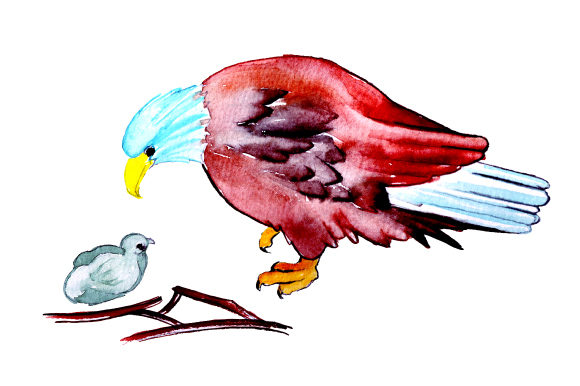
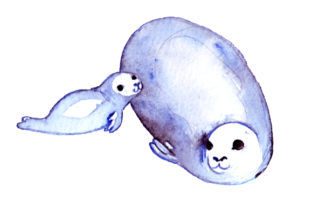
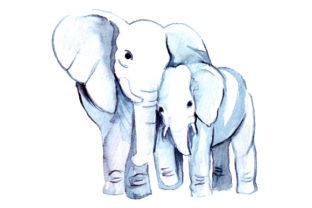
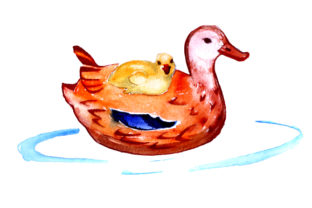
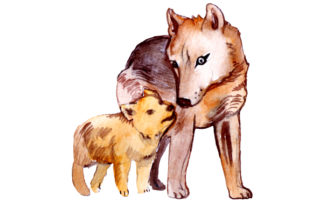
When I opened the Mom and Baby Wolves in Watercolor Style file set, the mood hit me before the details did. There is a softness here that feels deliberate. The watercolor effect gives the wolves a gentle, almost storybook quality — the kind of visual that makes you pause and imagine it stitched onto something meant to be kept, not just worn once and forgotten. The mother wolf has a quiet protectiveness in the pose, and the baby leans into her in a way that reads as both tender and natural. No stiff zoo-animal symmetry, no overly cartoonish faces. Just a believable closeness between two animals rendered in a painterly, flowing style.
As someone who has tested hundreds of embroidery designs before committing them to actual projects, I look for emotional weight first. A design can be technically flawless and still feel empty. This one carries the kind of warmth that sells itself — especially in the Animals niche, where buyers are often looking for connection, not just decoration.
Where a Watercolor Wolf Design Actually Belongs
I did not have to think long about where Mom and Baby Wolves in Watercolor Style would live best. This is not a design for loud, high-contrast sportswear or edgy streetwear. It belongs on projects that already carry emotional meaning. Nursery decor, baby blankets, pillow covers, maternity gifts, keepsake totes, and soft apparel aimed at new parents all come to mind immediately. The watercolor style softens the wolf silhouette enough that it feels gentle on baby items, but the subject matter keeps it from being saccharine. There is weight here. A mother wolf is not a teddy bear. That balance — fierce love expressed softly — is exactly what makes certain Crafts products stand out at markets and on Etsy.
I could also see this working beautifully on a linen kitchen towel for a cabin-themed home, a throw pillow for a reading nook, or even a lightweight jacket back panel for someone who wants a nature-inspired statement piece that does not scream for attention. The key is matching the softness of the design to the softness of the product. It wants to be touched, not just looked at.
A Real Project Walkthrough: The Baby Shower Tote That Almost Wasn't
Last month, I had a client request a custom embroidered tote bag for a baby shower gift. The brief was specific: woodland theme, watercolor feel, something that felt like a hug. I tested three designs before landing on Mom and Baby Wolves in Watercolor Style, and the difference was immediate. The other designs were either too detailed for a medium hoop or too flat to capture the watercolor effect. This one, when I ran a test stitch on a scrap of medium-weight canvas, held its painterly character surprisingly well. The color transitions in the design file suggested where thread changes could mimic the washed-out edges of real watercolor, and the overall shape stayed readable even at a reduced size.
I ended up stitching it onto a natural cotton tote with a soft taupe thread palette — warm grays, muted browns, a whisper of cream. The recipient cried when she opened it. That is not an exaggeration. The design had done its job before the gift wrap hit the floor.
What the File Set Actually Gives You
The product delivers SVG, Transparent PNG, EPS, and DXF formats, which is a practical spread for anyone working across multiple software platforms. The SVG is essential for scaling without losing quality, and the transparent PNG means you can drop the design straight into mockup templates without fighting a background. If you are a digital product seller creating printable wall art or sublimation designs alongside your embroidery work, having both vector and raster options in one package saves real time. The EPS format is a bonus for those still working in older vector programs, and the DXF file opens the door for cutting machine projects — vinyl, paper, even light engraving work if that is part of your Crafts repertoire.
What the product description does not tell you — and what I always check — is whether the design is grouped cleanly, whether the layers are labeled, and whether the watercolor texture is embedded or simulated. These are things you will want to inspect before digitizing for embroidery. The painterly look in a PNG preview does not always translate neatly to stitch paths, so you will need to spend time with your digitizing software to preserve the soft-edge illusion.
Thread Choices and the Watercolor Illusion
Let me be blunt about something: watercolor-style embroidery designs live or die by thread color selection. A flat gray next to a flat brown will kill the effect instantly. Mom and Baby Wolves in Watercolor Style rewards a blended thread palette — think variegated threads, tonal shifts, and low-contrast transitions. I tested a version with three shades of warm gray, a muted charcoal, and a barely-there cream for the highlights. The result looked washed and organic, not blocky. If you try to stitch this with solid, high-contrast colors, you will lose the watercolor feel entirely and end up with something that reads more like a paint-by-number. That is not a flaw in the design. It is a design that asks for thoughtful execution.
For apparel decorators, this also means testing the design against different fabric colors. On a cream or oatmeal background, the wolves feel integrated and soft. On a dark navy or black fabric, the transparency effect can get swallowed unless you adjust the thread density or add a subtle backing layer. I always recommend a test stitch on the exact fabric and color you plan to sell or gift. Skipping that step with a watercolor design is asking for a muddy result.
When to Scale Up and When to Leave It Alone
One of the first things I check with any embroidery design is how it behaves at different sizes. The mom and baby composition here is naturally compact — the closeness of the two figures means you do not need a massive hoop to make it work. I stitched a clean version in a 5x7 hoop without losing the baby wolf's features, which is a practical win for small business owners running single-needle machines. Scaling down much further than that starts to risk the finer details around the baby's face and the mother's muzzle. If you are planning a tiny patch or a cap front, test carefully. The watercolor texture, lovely as it is, can blur into unrecognizable shapes below a certain threshold.
Scaling up, on the other hand, is forgiving. A larger version on a sweatshirt back or a blanket panel gives the fill stitch room to breathe and lets the painterly transitions read clearly. I would not hesitate to run this at jacket-back size, provided the stitch density is adjusted for the larger area. The design holds its visual integrity well when enlarged, which is not something I can say about every watercolor-style file I have tested.
Stabilizer, Fabric, and the Honest Truth About Stretchy Surfaces
If you are stitching Mom and Baby Wolves in Watercolor Style onto anything with stretch — a onesie, a t-shirt, a knit blanket — do not skip the cut-away stabilizer. I learned this the hard way on a similar design years ago, and the lesson stuck. The watercolor effect relies on smooth, uninterrupted stitch flow. Fabric that shifts under the needle will distort the soft edges and make the whole thing look messy. A medium-weight cut-away stabilizer, hooped taut with the fabric floated on top, gave me the cleanest result across multiple test runs.
For woven fabrics like canvas, linen, or quilting cotton, a tear-away stabilizer worked fine, but I still preferred the security of a light fusible backing. The design has enough open areas — intentional gaps that mimic watercolor washes — that fabric stability matters more than you might expect. Wrinkled fabric in those open areas telegraphs amateur work, and customers notice.
Small Business Angles Worth Exploring
I think a lot about what makes a design sellable, not just stitched. Mom and Baby Wolves in Watercolor Style has a few clear commercial angles. First, the maternal theme is evergreen. Mother's Day, baby showers, new parent gifts, and memorial pieces all pull from the same emotional well. Second, the wolf subject matter taps into a specific buyer who loves wildlife but wants something softer than a photorealistic predator. Third, the watercolor style is still trending across nursery decor, boutique apparel, and handmade gift markets. Combining those three factors in one embroidery file gives you a product with legs.
For Etsy sellers, this design could anchor a whole collection — pair it with a watercolor moon, some pine silhouettes, or a coordinating floral frame, and you have a cohesive shop section. For craft fair vendors, a few stitched totes or pillow covers featuring this design would catch the eye of anyone browsing for nature-inspired home goods. The key is presenting it as part of a story, not a standalone graphic. The wolves do the emotional work. Your product styling does the rest.
Things Nobody Tells You About Watercolor Embroidery Files
Here is a practical note I wish more designers talked about: watercolor-style designs often look spectacular on screen and disappointing on fabric if the digitizing is not handled with care. The Mom and Baby Wolves in Watercolor Style file set gives you the artwork, not the stitch file, so you or your digitizer will need to interpret the watercolor texture into thread paths. That means decisions about stitch density, underlay, and path direction are yours to make. I recommend using a light fill with irregular edges rather than a dense satin stitch for the watercolor areas. A running stitch can also work for the wispy outer edges, but only if you test it first. The goal is to preserve the airy, washed quality that makes the design special in the first place.
Also worth noting: the transparent PNG is excellent for creating printable mockup images before you ever stitch a single thread. I used it to show my client three color variations in under ten minutes, and that alone helped close the sale. If you sell made-to-order items, pre-stitch mockups are a trust-builder, and having a clean PNG with no background makes that workflow painless.
Licensing, Commercial Use, and the Fine Print
Before you list anything featuring Mom and Baby Wolves in Watercolor Style in your shop, confirm the licensing terms with the original seller. The product comes with standard design file formats, but whether those files include a commercial embroidery license, a limited-use agreement, or a personal-use-only restriction is something you need to verify. I cannot speak to the exact terms here, and neither should you assume them. A quick message to the seller saves a lot of potential trouble. This applies whether you are stitching finished products, selling digital bundles, or using the artwork in sublimation prints. Clear licensing protects your craft business and keeps your customer relationships built on trust.
Final Stitch Notes From the Worktable
Mom and Baby Wolves in Watercolor Style earned a permanent spot in my design library, and I do not say that lightly. The emotional tone is right, the composition is clean, and the watercolor effect — when digitized with care — produces a finished product that feels thoughtful and high-end. It is not a design for every project. It asks for soft fabrics, a restrained color palette, and a maker who pays attention to the details. But in the right hands, on the right product, it does exactly what great animal-themed embroidery designs are supposed to do: it makes someone feel something.
If you are building inventory for a boutique, preparing a personalized gift for a client, or curating a shop collection around nature and family themes, this design is worth the test stitch. Run it on a scrap first. Play with thread blends. Try it on a tote, a blanket, a pillow. Let the wolves do what they were drawn to do.